
Most flower meanings you see on cards come from 19th-century "language of flowers" books, small dictionaries that paired each plant with a sentiment: rose for love, daisy for innocence, rosemary for remembrance. They are charming to use in a design, but they were never fixed. Two popular Victorian dictionaries give a peony two different meanings, and some favorites of modern weddings, such as eucalyptus, do not appear in them at all. Use meanings as a pleasant extra layer, check them against a source, and never rely on them alone to carry a message.
Where Flower Meanings Come From
The fashion for floral dictionaries grew in early 19th-century France and spread to Britain and the United States. A widely cited early example is Louise Cortambert's Le langage des fleurs (1819), published under the pen name Charlotte de la Tour, and English and American versions followed through the century.
This article checks meanings against two of those books, both now in the public domain and digitized by Project Gutenberg:
- Henrietta Dumont, The Language of Flowers (Philadelphia: H. C. Peck & Theo. Bliss, 1851), an American gift book.
- Kate Greenaway, Language of Flowers (London: George Routledge and Sons), an illustrated Victorian edition printed in color by Edmund Evans.
Where they agree, a meaning has a reasonable claim to being "traditional". Where they disagree, you have a choice.
The Popular Flowers, Source by Source
| Flower | Greenaway | Dumont (1851) |
|---|---|---|
| Rose | Love | Love |
| Peony | Shame, bashfulness | Anger |
| Sunflower | Dwarf: adoration. Tall: haughtiness | False riches |
| Lavender | Distrust | Distrust |
| Daisy | Innocence | Innocence |
| Ivy | Fidelity, marriage | Constancy (friendship in its short list) |
| Myrtle | Love | Love |
| Eucalyptus | Not listed | Not listed |
A few surprises stand out. Lavender, a favorite for calm, romantic designs, meant distrust in both books. The peony, a favorite in wedding bouquets, meant bashfulness to Greenaway and anger to Dumont. And the sunflower depends on the variety: adoration for a dwarf sunflower, haughtiness for a tall one.
None of this means you should avoid lavender or peonies. Modern associations are just as real to the people who receive your card. It means that if you print a meaning on a design, make it one your source actually gives.

Watercolor Lavender Flower Illustration
See the listing ↗
Watercolor Pansy Clipart, Flower Png
See the listing ↗
Rose Clipart Vintage Flower Illustration
See the listing ↗From the collection Flower PNG & Illustrations. New Creative Fabrica members get 10 free downloads, and any of these can be one of them.
Roses by Color
Greenaway lists dozens of roses. A few useful ones:
- Rose (general): love
- Red rosebud: pure and lovely
- White rose: I am worthy of you
- White rosebud: girlhood
- Yellow rose: decrease of love, jealousy
- Bridal rose: happy love
- White and red roses together: unity
The yellow rose is the one to watch. In this tradition it carries jealousy, so avoid it for a romantic card if you plan to explain the meaning. A mix of red and white roses, on the other hand, makes a neat symbol for a wedding.

Blush Roses - Watercolor Floral Clipart
See the listing ↗
Watercolor Flowers Clipart, Pink Rose
See the listing ↗
Thistle Watercolor Floral Clipart
See the listing ↗From the collection Watercolor Flowers Clipart. New Creative Fabrica members get 10 free downloads, and any of these can be one of them.
Safer Choices: Where Both Books Agree
If you want a meaning that holds up across sources, pick one that both dictionaries share. Comparing Greenaway with the summary list at the back of Dumont's book:
| Flower | Both books say |
|---|---|
| Lily of the valley | Return of happiness |
| Olive | Peace |
| Poppy (Greenaway: red poppy) | Consolation |
| Tulip (Greenaway: red tulip) | Declaration of love |
| Forget-me-not | Forget me not (Greenaway adds true love) |
| Daisy | Innocence |
And two familiar flowers where they part ways: rosemary is "remembrance" for Greenaway but "your presence revives me" for Dumont, and the thistle is "austerity" for Greenaway (common thistle) but "surliness" for Dumont. If you print "rosemary for remembrance" on a sympathy card, Greenaway is your source.
A quick way to check any flower yourself is to look it up in two different dictionaries of the period, ideally one British and one American, and use the meaning only if they match.
Meanings That Suit Common Occasions
From Greenaway's dictionary, grouped by the cards people most often make:
Weddings and anniversaries - Ivy: fidelity, marriage - Myrtle: love - Orange blossoms: your purity equals your loveliness - Red tulip: declaration of love - Purple lilac: first emotions of love
Friendship and thinking of you - Pansy: thoughts - Zinnia: thoughts of absent friends - Acacia: friendship - White clover: think of me
Remembrance and sympathy - Rosemary: remembrance - Forget-me-not: true love, forget me not - Red poppy: consolation
New beginnings and good wishes - Lily of the valley: return of happiness - Olive: peace - Wheat stalk: riches - Magnolia: love of nature
A design built around one of these, for example pansies on a card for a friend who moved away, with "thoughts of you" in small script, uses the tradition in a way most people will enjoy.

Meanings to Avoid by Accident
Some flowers that look lovely in clipart had unflattering meanings in Greenaway's list:
| Flower | Meaning |
|---|---|
| Foxglove | Insincerity |
| Columbine | Folly |
| Yellow carnation | Disdain |
| Hydrangea | A boaster, heartlessness |
| Scotch thistle | Retaliation |
| Mushroom | Suspicion |
The dandelion, by contrast, is a "rustic oracle", a nod to blowing seeds to tell the time or make a wish. These only matter if you state the meaning or the recipient knows the tradition well. For a wildflower meadow card, nobody will read foxglove as an accusation.

Watercolor Dandelion Wildflower Clipart
See the listing ↗
Watercolor Foxglove Wildflower Clipart
See the listing ↗
Watercolor Columbine WildFlower Clipart
See the listing ↗From the collection Sunflower & Wildflower Clipart. New Creative Fabrica members get 10 free downloads, and any of these can be one of them.
Eucalyptus and Other Modern Favorites
Eucalyptus is everywhere in modern wedding design, but neither Greenaway nor Dumont lists it. Any meaning attached to it today is a modern, informal association rather than part of the Victorian language of flowers. The same goes for many popular greenery plants and succulents. That is no reason to leave them out; just do not present an invented meaning as a historical one. For using greenery as a design element, see greenery and eucalyptus design ideas.
Card Blanks for Flower-Meaning Cards
If you plan to print a few cards with a flower on the front and its meaning on the back, blank cards and envelopes make the practical side easy. A fine black pen is enough for a handwritten line where you would rather not print one.
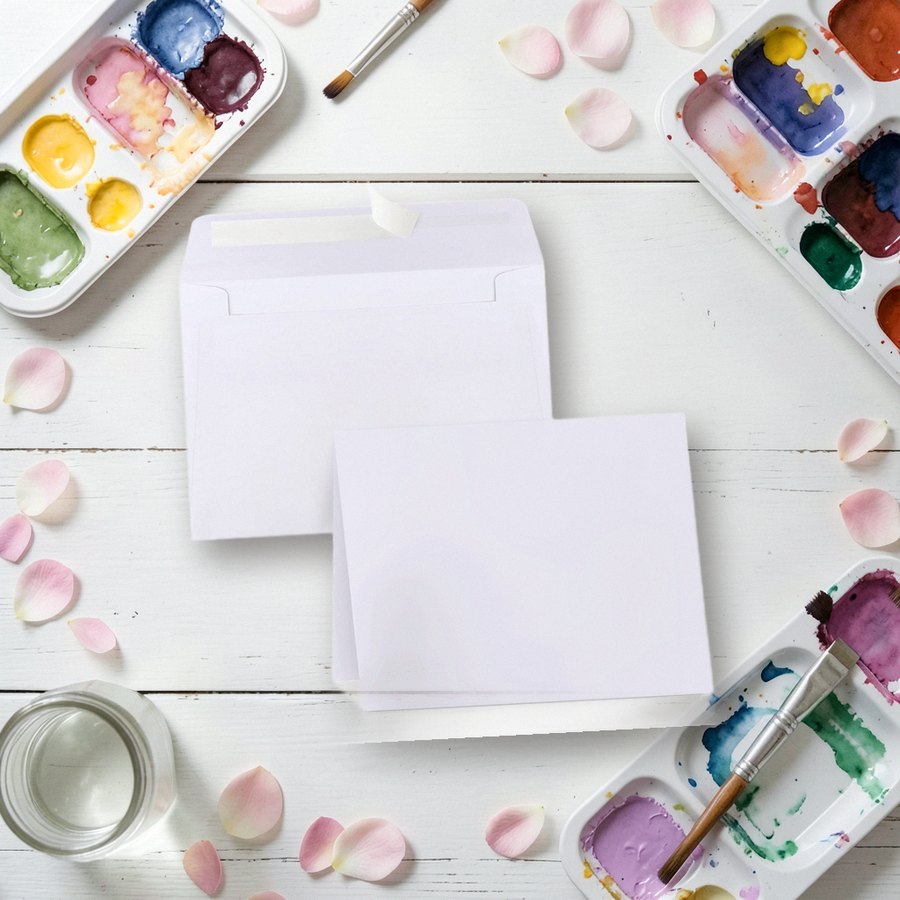 Blank 4 x 6 cards with envelopesJoybergSee it on Amazon
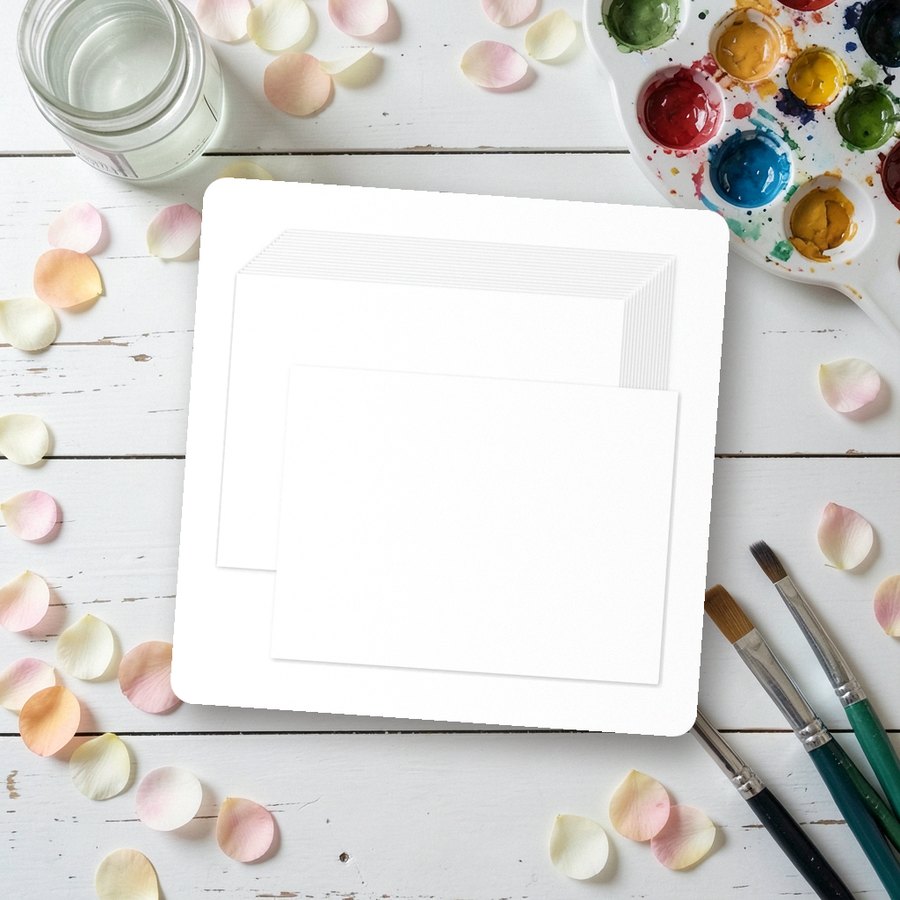 Blank 5 x 7 white cardstockGoefunSee it on Amazon
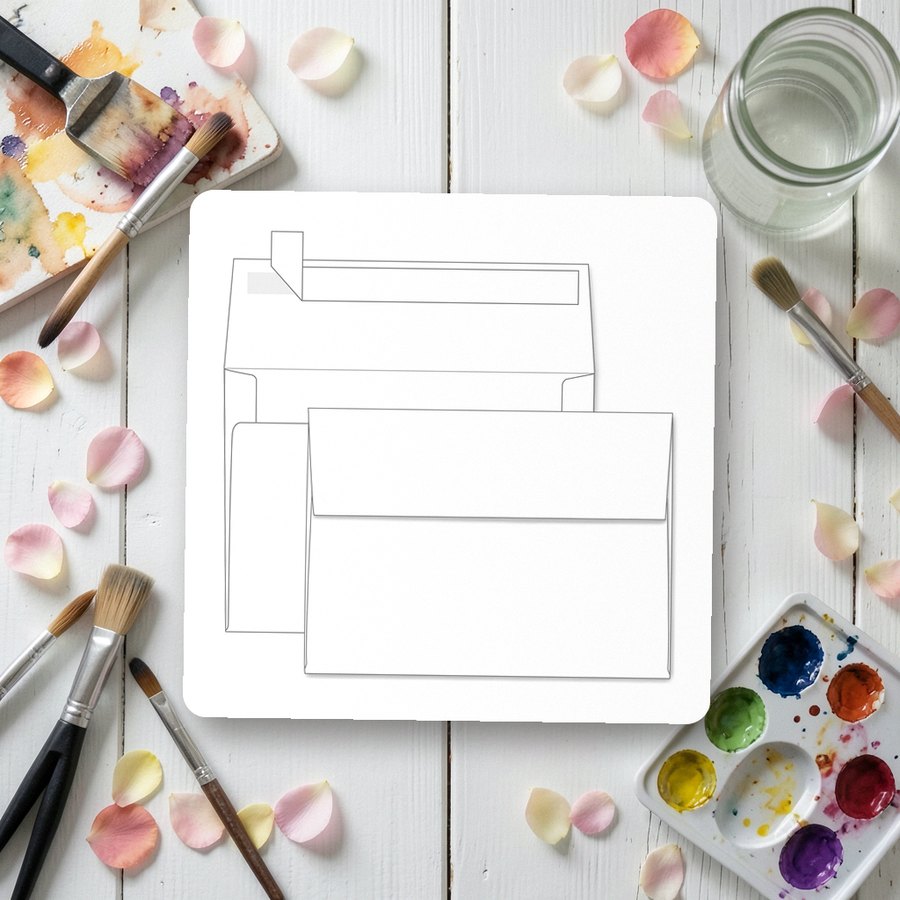 White A7 envelopes, self sealGoefunSee it on Amazon
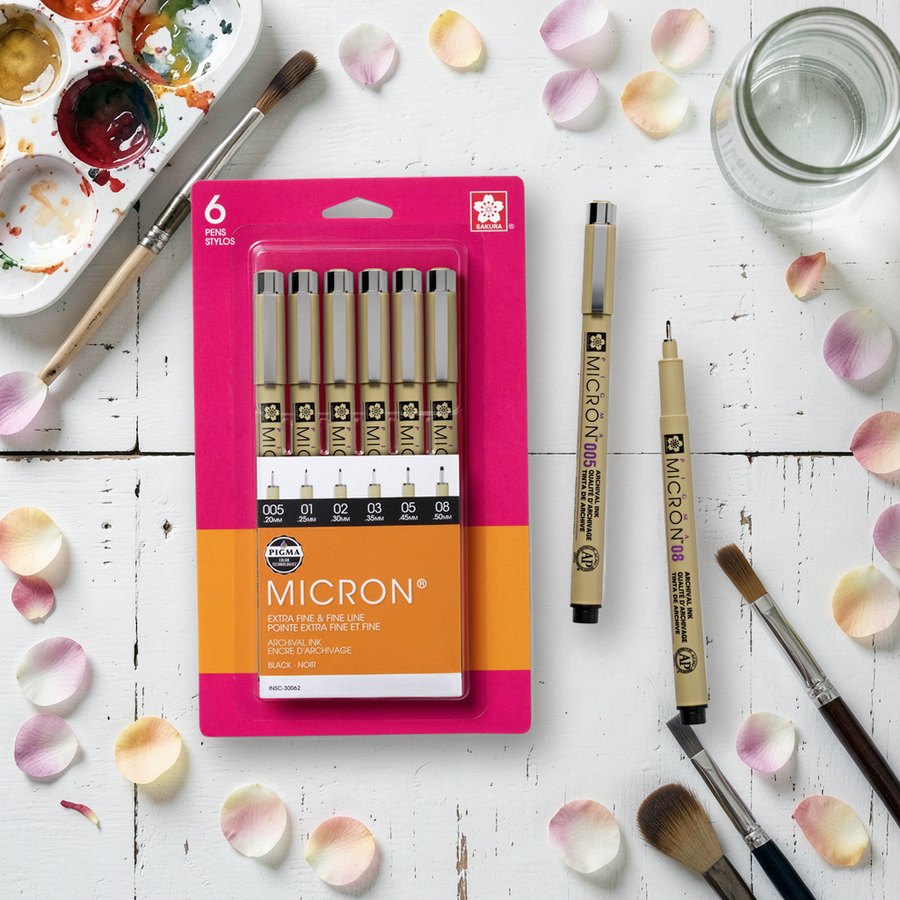 Black pigment fineliners, assorted pointsSAKURASee it on Amazon
As an Amazon Associate we earn from qualifying purchases.
Putting Meanings Into a Design
- Name the flower and its meaning on the back of the card, in small type. It adds charm without crowding the front.
- Build a small legend for a wedding suite: the flowers in the bouquet, each with one word.
- Use a birth month flower set for birthday cards, and pair it with a meaning from a dictionary if the two agree.
- Keep the visual choice first. Pick flowers that suit the palette and layout, then check meanings, not the other way round. The watercolor design guide covers layout and color.
- Say which tradition you follow if you print meanings on products you sell, for example "Victorian language of flowers", so buyers know the source.
Meanings also differ across cultures and countries, and many flowers carry religious, national or family associations that no dictionary records. When a card is for someone from a different background, a plain message is always safe.
For specific flowers, the sunflower design ideas and wedding invitation guide show how to build whole projects around them.
Clipart for This Guide
 Flower PNG & Illustrations18 hand-picked · open the collection →
 Watercolor Flowers Clipart19 hand-picked · open the collection →
 Sunflower & Wildflower Clipart13 hand-picked · open the collection →